Dry Scalp Care for Textured Hair: What Actually Helps
Your scalp feels tight a day or two after wash day. You catch yourself scratching during meetings, and you're seeing small white flakes on your shoulders or along your part. You oil it, and it feels better for a few hours, then it's tight again.
A dry scalp is one of the most common complaints with textured hair, and a lot of the usual fixes make it worse. Once you know what's drying it out, it's much easier to keep it comfortable.
Why Textured Hair Is Prone to a Dry Scalp
Your scalp makes its own oil, called sebum. On straighter hair, that oil travels down the strand easily. On waves, curls, and coils, from 2A to 4C, the bends in each strand slow it down. That's part of why textured hair runs dry, and the scalp can feel it too, especially when you wash less often or wear your hair in styles that keep it covered.
A few other things often play a part:
- Harsh cleansers that strip away the oils your scalp needs
- Product buildup from gels, edge control, and heavy creams that sit at the roots
- Cold, dry air in winter, plus indoor heating
- Hot water on wash day
- Tight protective styles that make it hard to reach and cleanse the scalp
Dry Scalp or Something Else?
Dry-scalp flakes tend to be small, white, and powdery, and they come with a tight feeling. Some flakes that look like a dry scalp are actually product buildup, and those usually show up near your part or edges a day or two after styling.
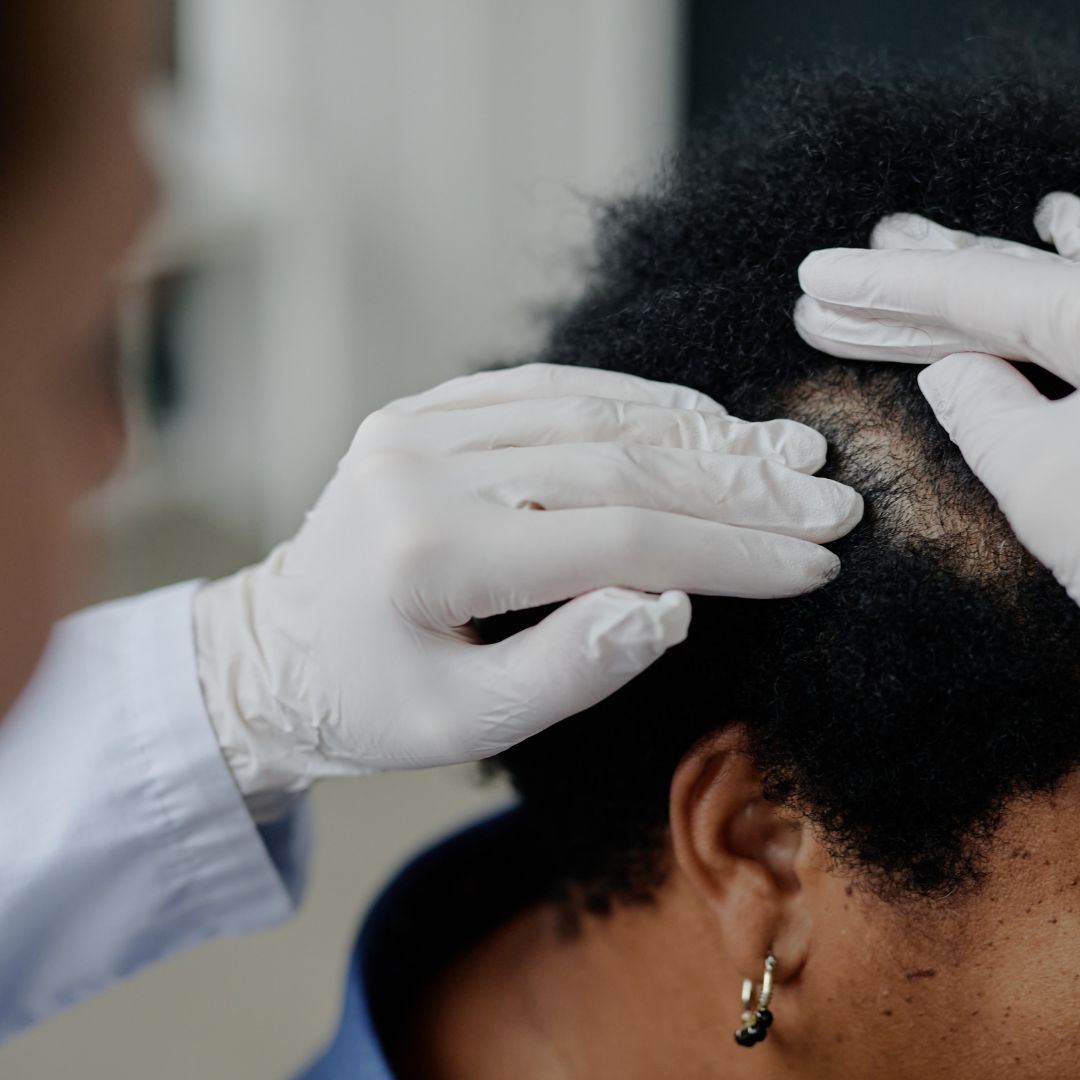
Flakes that are large, yellowish, or greasy, a scalp that stays itchy even when you keep it moisturized, redness, soreness, scaly patches, or thinning in one area are different. Those are worth a visit to a dermatologist, who can tell you what's going on. The tips below are for everyday dryness, not a substitute for that visit.
What Actually Helps a Dry Scalp
1. Switch to a gentler cleanser
Your scalp needs to be clean, but it doesn't need to feel squeaky. A sulfate-free, moisturizing shampoo gets rid of sweat and buildup without stripping everything away. Focus the shampoo on your scalp and let the suds rinse through your lengths.
2. Clarify every few weeks
If you use a lot of stylers, buildup at the roots can trap flakes and make your scalp feel itchy and coated. A clarifying wash every three to four weeks clears the slate so your moisturizing products can do their job.
3. Turn the water down
Hot showers feel great but pull moisture from your skin, and your scalp is skin. Wash with warm water and finish with lukewarm.
4. Moisturize the scalp itself
Most of us moisturize our lengths and forget the skin underneath. A small amount of a scalp balm, worked into the scalp in sections, soothes dryness and helps hold moisture in. Our Scalp & Hair Balm is made with castor oil, honey, vitamin E, rosemary, and peppermint to nourish the scalp and keep it feeling comfortable between wash days.
5. Use less product, not more
Thick layers of oil or butter can sit on the scalp, attract dirt, and add to buildup. You only need a little, about a pea-sized amount per section. Apply it to the scalp, then massage it in.
6. Massage, don't scratch
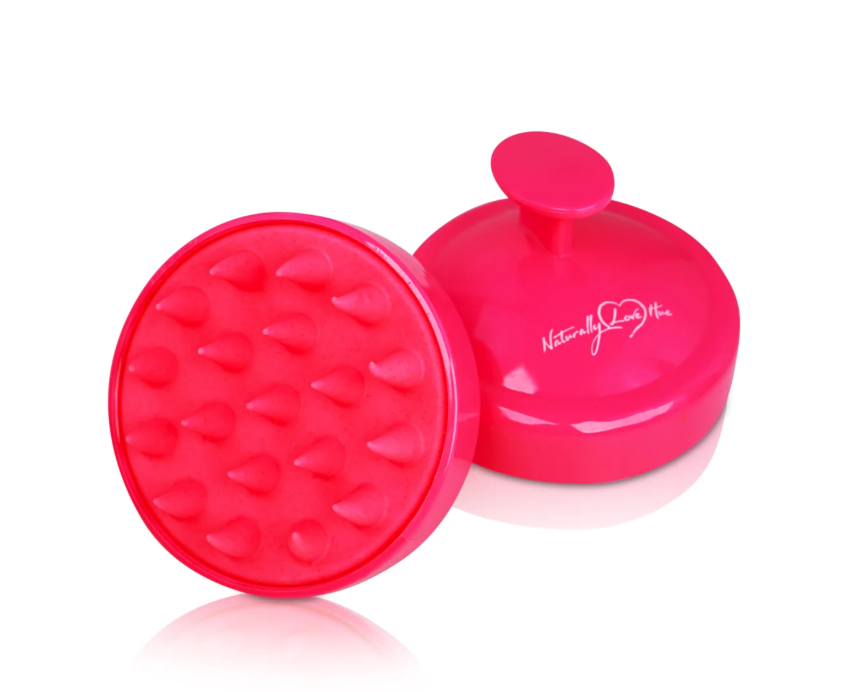
Scratching with your nails can irritate the scalp and break the hair along your part. A few minutes of gentle massage with your fingertips, or a soft silicone tool like our Scalp Massager, helps spread product evenly, lifts loose flakes before you rinse, and feels relaxing. Light, circular pressure is plenty.
7. Look after your scalp under protective styles
Braids, twists, and wigs make scalp care easy to forget. Keep the partings moisturized, cleanse your scalp gently every week or two with a diluted shampoo or a cleansing rinse, and don't keep a style in longer than your scalp can handle.
8. Protect it at night and in winter
A satin bonnet or pillowcase keeps cotton from absorbing your scalp's moisture overnight. In cold months, running a humidifier in your bedroom helps your skin, scalp included.
A Simple Dry Scalp Routine
- Pre-wash (optional): Massage your scalp for two to three minutes to loosen flakes and buildup.
- Cleanse with warm water and a sulfate-free shampoo, focusing on the scalp.
- Condition your lengths, keeping heavy conditioner off the roots.
- Style as usual on damp hair.
- Moisturize the scalp: Part your hair into sections and apply a small amount of scalp balm along each part.
- Massage gently with your fingertips or a scalp massager to work it in.
- Between washes: Re-apply a little balm to dry spots every two to three days.
Common Dry Scalp Mistakes to Avoid
- Greasing the scalp heavily every day. It can cause buildup that makes flaking worse.
- Going weeks without cleansing. Sweat and old product dry the scalp out too.
- Scratching or picking at flakes with your nails or a comb
- Using very hot water on wash day
- Trying lots of new products at once. If something irritates you, you won't know which one it was.
- Ignoring symptoms that don't go away. If flaking or itching keeps up after a few weeks of gentle care, see a dermatologist.
Dry Scalp FAQ
How often should I wash my hair if I have a dry scalp?
For most people with textured hair, every 5 to 10 days works well. Washing too often can strip your scalp, but waiting too long lets sweat and buildup collect, and that can feel just as dry and itchy. Use a gentle cleanser and pay attention to how your scalp feels.
Is it okay to put oil directly on my scalp?
Yes, in small amounts. A little oil or balm soothes dryness and helps keep moisture in. The trouble comes from heavy layers applied every day, which can lead to buildup. Less is more.
Can a scalp massager help with a dry scalp?
A scalp massager won't add moisture on its own, but it helps you spread balm or oil evenly, loosens flakes before you rinse, and gives you a gentle way to relieve itchiness without scratching. Use light pressure, either on wash day or when you apply your scalp product.
When should I see a dermatologist about my scalp?
See a dermatologist if itching or flaking doesn't improve after a few weeks of gentle care, or if you notice redness, soreness, thick or greasy scales, rashes, or thinning in one area. Those can be signs of a scalp condition that needs a professional diagnosis.
The Bottom Line
A dry scalp usually comes down to a few habits: harsh cleansing, too much heavy product, hot water, or not enough attention to the scalp itself. Cleanse gently, clarify now and then, moisturize the scalp with a light hand, and massage instead of scratching.
If you'd like a simple place to start, try pairing our Scalp & Hair Balm with the Scalp Massager as part of your wash day routine.