Protective Hairstyles: Caring for Your Hair Underneath
You finally got the braids, twists, or wig install you wanted. It looks amazing — and you're planning to leave it alone for weeks. Then about ten days in, your scalp starts to itch, your edges feel tight, and when you finally take it down, you're met with dry, matted ends and more breakage than you expected.
Protective hairstyles are supposed to give your hair a break, but they only protect what you take care of. The hair underneath still needs moisture, a clean scalp, and gentle handling. Here's how to keep it healthy from install to takedown.
What Makes a Style "Protective"?
A protective style tucks away your ends — the oldest, most fragile part of each strand — so they aren't rubbing against clothes, getting combed every day, or exposed to heat and weather. Braids, twists, locs, cornrows, buns, wigs, and sew-ins can all count.
Protective styles work for all textured hair, from loose waves to tight coils (2A–4C). The catch: a style that's too tight, too heavy, or left in too long can cause the very breakage you were trying to avoid. The style itself isn't what protects your hair — how you care for it is.
How to Care for Your Hair Under Protective Hairstyles
1. Start with clean, moisturized, detangled hair
Whatever state your hair is in at install is the state it lives in for the next few weeks. Wash, deep condition, and detangle thoroughly before your appointment. Trim any split or knotted ends so they don't tangle further while tucked away.
2. Say something if it's too tight
Some tension is normal, but pain, bumps around the hairline, or a headache aren't. Constant pulling, especially at the edges and nape, stresses the hair and can lead to breakage and thinning over time. Ask your stylist to loosen anything that hurts, and choose lighter, shorter, or less dense styles if your edges are delicate.
3. Moisturize every few days
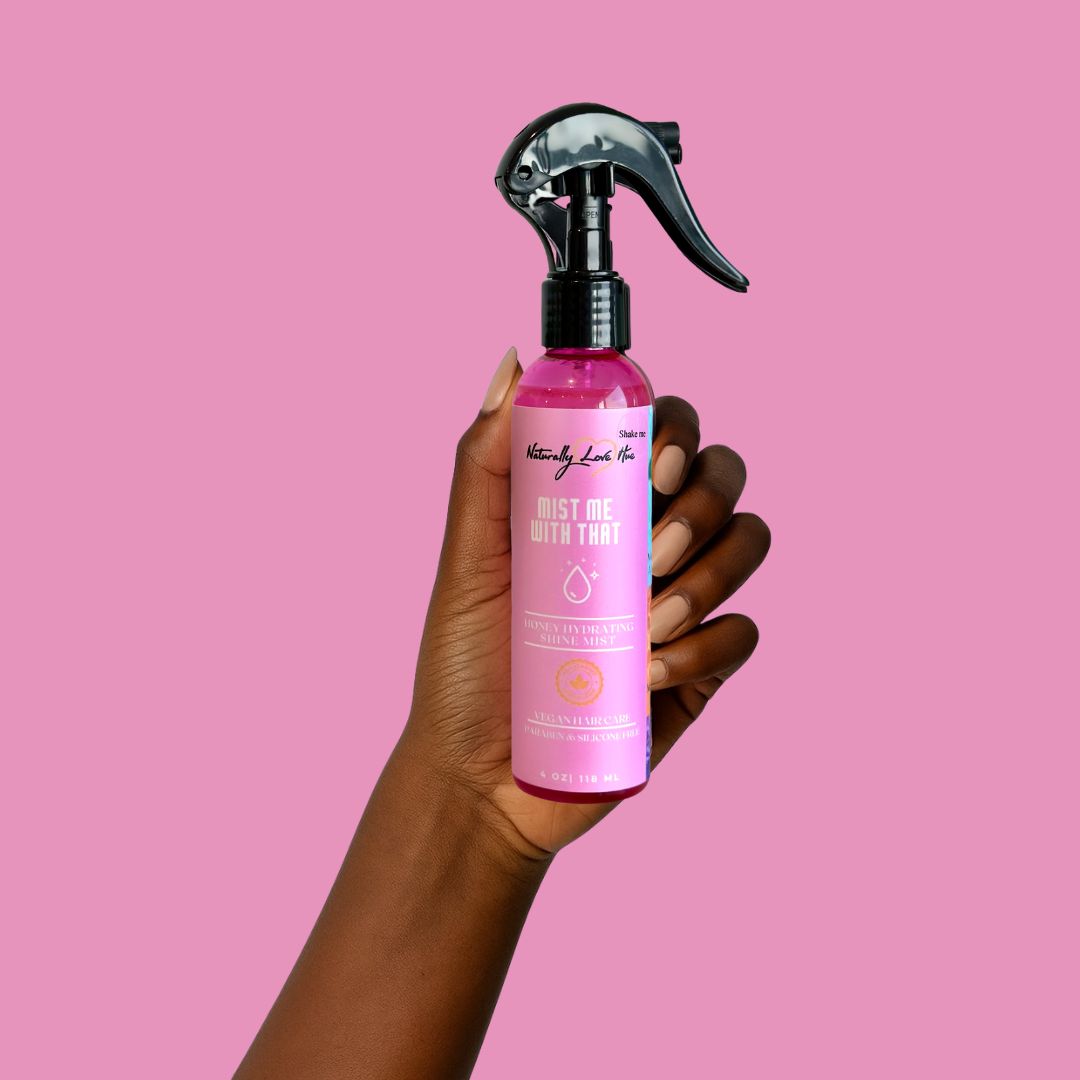
Braided and twisted hair dries out faster than you'd think, because it's harder for products to reach the strands. Every two to three days, lightly mist the length of your style and your scalp with a water-based spray. Mist Me With That Honey Hydrating Shine Mist is a lightweight blend of aloe, honey, and plant-based oils that's made for refreshing braids and locs without leaving them greasy or weighed down.
4. Keep your scalp clean
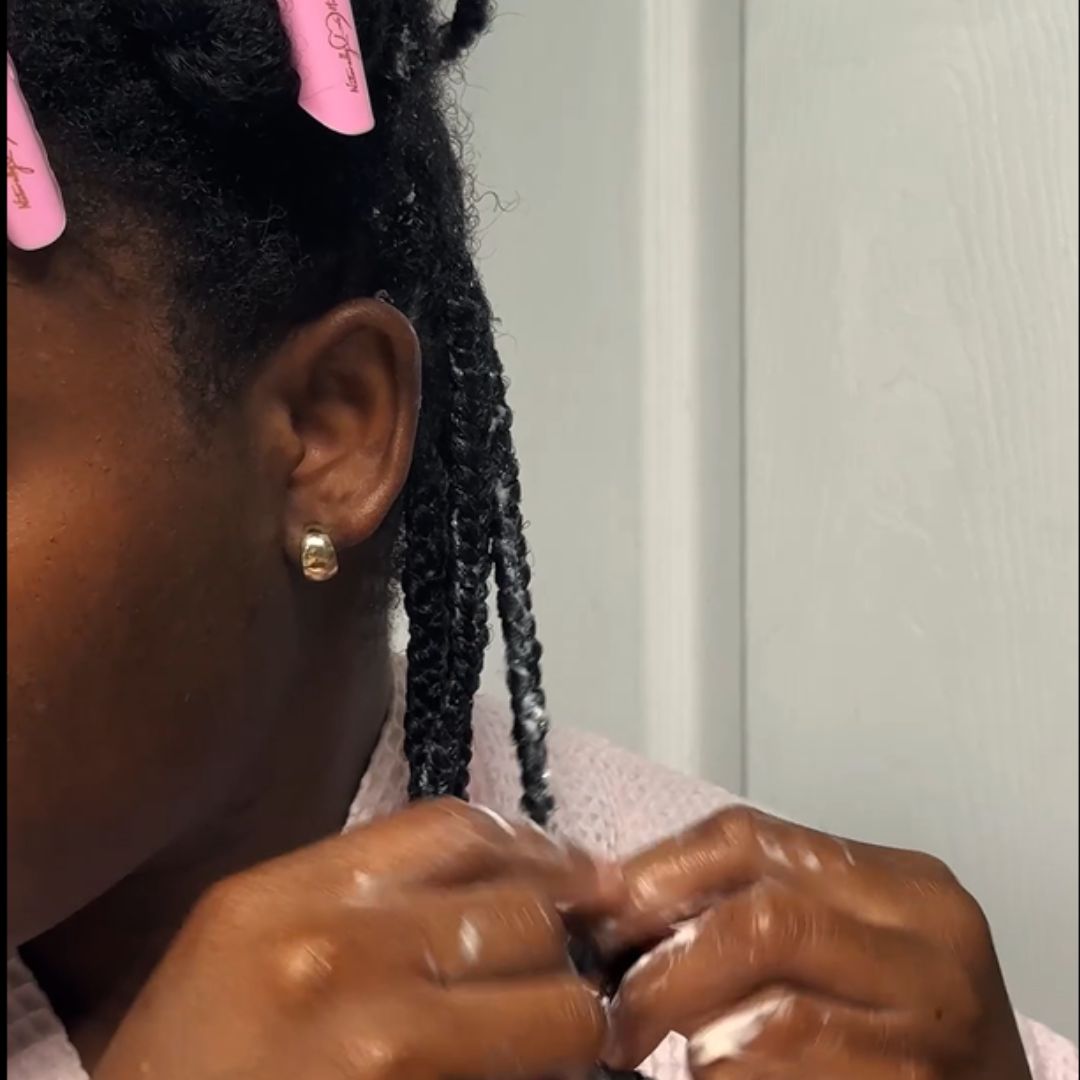
Sweat, oil, and product build up on your scalp under a style, and that's often where the itching comes from. Every one to two weeks, dilute a gentle shampoo with water in an applicator bottle, apply it directly to your parts, massage with your fingertips, and rinse well. Let your hair dry completely afterward — damp hair sitting under braids or a wig cap can start to smell musty.
5. Give your scalp and edges a little attention
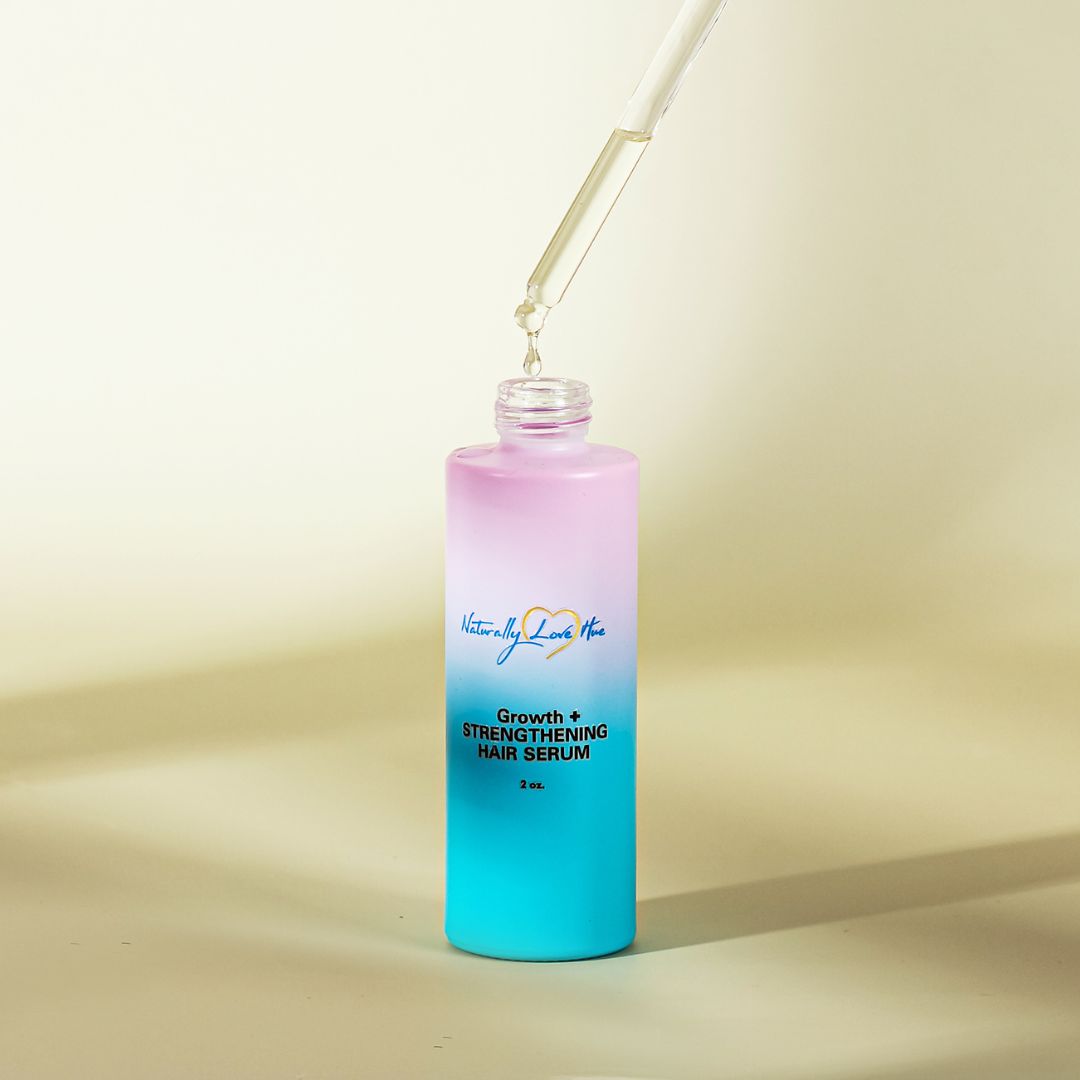
Go light with scalp products — a few drops along your parts and edges is plenty. A lightweight serum like our Growth+ Strengthening Hair Serum, made with rosemary oil, peppermint oil, caffeine extract, and vitamin E, absorbs without heavy buildup and helps soothe a dry-feeling scalp while you're in a style. Skip heavy greases, which can clog parts and attract lint.
6. Protect it at night
Friction from a cotton pillowcase causes frizz and pulls at the base of your style. Sleep in a satin or silk scarf or bonnet, or on a satin pillowcase. For wigs, take the unit off at night when you can and let your scalp breathe.
7. Don't leave it in too long
Most braids and twists do well for about four to eight weeks, depending on your hair and the style. Leave them in much longer and new growth can start to lock and mat at the root, making takedown harder and causing breakage. Wigs and sew-ins still need regular cleansing and care of the hair underneath.
A Simple Protective Style Care Routine
- Before install: Wash, deep condition, detangle, and trim your ends.
- Every 2–3 days: Lightly mist your scalp and the length of your style with a water-based spray.
- A few times a week: Apply a few drops of a lightweight serum along your parts and edges, and massage gently.
- Every 1–2 weeks: Cleanse your scalp with diluted shampoo, rinse, and dry completely.
- Every night: Wrap your hair in a satin scarf or bonnet.
- At takedown: Work slowly, detangle with conditioner or oil, and give your hair a deep conditioning treatment before your next style.
How to Take Down a Protective Style Without Breakage
Takedown is when a lot of damage happens, usually because people rush. Set aside time, work in small sections, and keep your hair moist as you go. Once braids or twists are out, you'll notice shed hair collected at the roots — that's normal, since you naturally shed hair every day and it had nowhere to fall. Gently remove it with your fingers before you comb, then detangle from ends to roots with plenty of slip.
After takedown, give your hair at least a week or two to rest before your next install. That's a good time to deep condition and check on your edges and ends.
Common Mistakes to Avoid
- Installing on dry or tangled hair — knots get locked in for weeks
- Putting up with painful tension because "it'll loosen up"
- Skipping moisture because the style looks fine on the outside
- Piling on heavy oils and greases that build up along your parts
- Going to bed without a scarf or bonnet
- Keeping a style in too long or going right into another install without a break
- Rushing takedown and ripping through matted roots
Protective Hairstyles FAQ
How often should I moisturize my hair in braids?
Every two to three days is a good starting point. If your hair or scalp feels dry sooner, mist more often — just keep it light so moisture doesn't sit at the roots.
Can I wash my hair with a protective style in?
Yes. Focus on your scalp with a diluted shampoo every one to two weeks, rinse thoroughly, and make sure your hair dries all the way. For wigs, wash your own hair on its usual schedule and the unit separately.
Why is my scalp so itchy under my braids?
Itching is often caused by buildup, dryness, or tension, and sometimes by a reaction to synthetic hair. A clean scalp and light moisture usually help. If itching is intense, lasts beyond the first few days, or comes with flaking, bumps, rashes, or thinning, take the style down and see a dermatologist.
Are protective hairstyles good for length retention?
They can be. By keeping your ends tucked away and reducing daily handling, protective styles can reduce breakage, which helps you hold on to the length you have. That only works if the style isn't too tight and you keep the hair underneath moisturized.
The Bottom Line
Protective hairstyles give your hair a break from daily styling, but the hair underneath still needs you. Start with a healthy base, keep tension low, moisturize every few days, cleanse your scalp, and take your time at takedown.
For easy upkeep between installs, keep Mist Me With That on hand for quick moisture and a few drops of Growth+ Strengthening Hair Serum for your parts and edges.