How to Make Rosemary Oil at Home (and When to Buy It Instead)
You've got a jar of dried rosemary in the spice rack, a bottle of oil in the cabinet, and a feed full of videos telling you to mix the two. It looks easy. But then the questions start: how long do you heat it, how long does it last, and is what you just made even the same thing as the rosemary oil everyone's talking about?
If you've been wondering how to make rosemary oil at home, the process really is simple, as long as you know a few rules that keep your batch fresh and gentle on your scalp. Here's how to do it on textured hair of any kind, from waves to coils, plus how to tell when buying a ready-made formula makes more sense.
Homemade Rosemary Oil vs. Rosemary Essential Oil
These two get mixed up all the time, and the difference matters.
- Rosemary essential oil is a highly concentrated plant extract, usually made by steam distillation. You can't realistically make it in a home kitchen, and it always needs to be diluted before it touches your skin.
- Rosemary-infused oil is what you make at home. Dried rosemary steeps in a carrier oil, which picks up some of the plant's scent and character. It's much milder, and you can use it as is.
You may have heard about a small 2015 study on rosemary oil. That research looked at a prepared rosemary oil product, not a kitchen infusion, and it was one small study. So think of your homemade oil as a soothing scalp massage oil and a way to soften dry strands, not a treatment for any hair or scalp concern.
What You'll Need
- 2 tablespoons of dried rosemary
- ½ cup of carrier oil (see the tips below for choosing one)
- A clean, completely dry glass jar with a lid
- A fine strainer or cheesecloth
- A small dark glass bottle or applicator bottle for storage
How to Make Rosemary Oil at Home: 2 Easy Methods
Method 1: Low-heat infusion (about 2 hours)
- Add the rosemary and oil to a heatproof glass jar or bowl.
- Set it in a small pot with a few inches of water to create a double boiler.
- Warm on the lowest heat for 1–2 hours, stirring now and then. The oil should stay gently warm and never bubble or smoke. Stay nearby the whole time.
- Let it cool completely, then strain it into your storage bottle.
Method 2: Slow cold infusion (2–4 weeks)
- Add the rosemary to your dry jar and pour the oil over it until the herbs are fully covered.
- Seal the jar and keep it in a cool, dark cupboard.
- Shake it gently every few days for 2–4 weeks.
- Strain it into your storage bottle.
The cold method takes patience but needs almost no effort. The heat method is the one to pick if you want your oil ready for this week's wash day.
Tips for a Better Batch
1. Use dried rosemary, not fresh
Fresh sprigs hold water, and water in oil invites spoilage and bacteria. Dried rosemary is the safer choice. The same goes for your tools, so make sure your jar, spoon, and strainer are completely dry.
2. Match your carrier oil to your hair
Jojoba, grapeseed, and argan feel light and are good picks for fine strands or low porosity hair. Avocado and olive oil feel richer and suit thicker, drier hair. If you're not sure which way to go, our guide on how to use rosemary oil on textured hair breaks down each option.
3. Make small batches
A homemade infusion has no preservatives, so a small batch you'll finish in a month or two beats a big bottle that goes off in the cupboard.
4. Store it cool and dark
Heat and light speed up rancidity. Keep your oil in a dark bottle, away from the stove and the windowsill, and label it with the date you made it. Toss it if it smells sharp or off, turns cloudy, or shows any sign of mold.
5. Patch test before you use it
Dab a little on the inside of your arm and wait 24 hours. Plant-based doesn't always mean gentle, and any redness or itching means it's not for you.
How to Use Your Homemade Rosemary Oil
- Part your hair into sections so you can reach your scalp.
- Warm a few drops between your fingers, or use an applicator bottle along each part.
- Massage for 3–5 minutes with the pads of your fingers, not your nails.
- Smooth anything left on your hands over your ends to seal in moisture.
- Leave it on for at least 30 minutes as a pre-poo, then shampoo as usual.
Once or twice a week is plenty for most people. If oil tends to build up on your hair, stick with the pre-poo instead of leaving it in.
When to Buy Rosemary Oil Instead
Making your own is satisfying, but it isn't always the best fit. A ready-made formula may make more sense if:
- You want it to be consistent. Homemade batches vary with your herbs, your oil, and your timing.
- You want something that lasts. You won't have to remake it every month or two.
- You want more than rosemary. A kitchen infusion can't give you a full blend of scalp-care ingredients.
- You'd rather skip the mess. No straining, no double boiler, no oily counters.
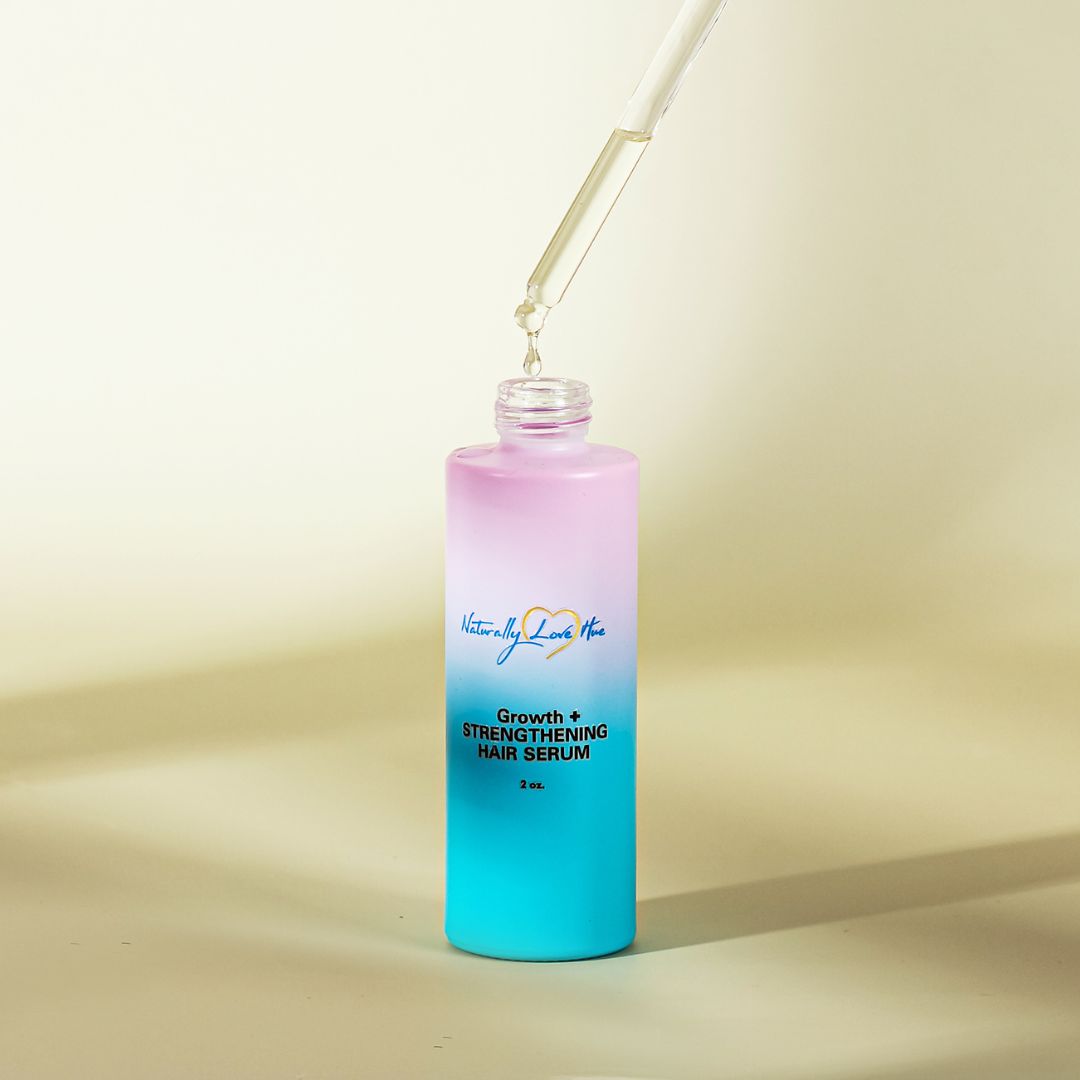
Our Growth+ Strengthening Hair Serum is one option. It combines rosemary and peppermint essential oils with caffeine, turmeric, keratin, avocado oil, and vitamin E in a lightweight, non-greasy formula. It goes straight on your damp or dry scalp, so there's nothing to measure, and it helps reduce breakage and supports fuller-looking, healthier-looking hair.
Common Mistakes to Avoid
- Using fresh rosemary or a damp jar, which can make your batch spoil
- Overheating the oil, since bubbling or smoking means it's too hot
- Leaving the jar in a sunny window, which speeds up rancidity
- Adding undiluted essential oil without measuring. Any extra drops have to be properly diluted
- Applying it over buildup instead of a clean scalp
- Using an old batch because it's still in the bottle
Homemade Rosemary Oil FAQ
How long does homemade rosemary oil last?
Plan to use it within about two months and keep it somewhere cool and dark. The exact timing depends on your carrier oil, so always trust your nose and eyes. If it smells off or looks cloudy, throw it out.
What's the best oil to use for homemade rosemary oil?
Jojoba is a great all-around choice because it's light and holds up well in storage. Avocado or olive oil work nicely if your hair is thick or very dry.
Is rosemary water the same as rosemary oil?
No. Rosemary water is an herbal tea made by simmering rosemary in water. It has no oil to seal your strands, and it spoils fast, so keep it in the fridge and use it within a few days.
Is homemade rosemary oil safe for everyone?
Not always. Patch test first, and if you're pregnant, nursing, or have a skin condition, check with your doctor before using it. If you have persistent itching, flaking, rashes, or noticeable hair loss, skip the DIY and see a dermatologist.
The Bottom Line
Learning how to make rosemary oil at home comes down to a few simple rules: use dried rosemary and clean, dry tools, keep the heat low, make small batches, and store them somewhere cool and dark. It's an easy, soothing addition to your scalp care routine.
And if you'd rather spend wash day on your hair than at the stove, our Growth+ Strengthening Hair Serum is ready when you are.